How to Practise for Computer-Delivered IELTS (Screen Skills That Score)

To practise for computer-delivered IELTS, do your timed practice on a screen, with headphones, a visible countdown, no pausing the audio, no spellcheck, and rough notes on real paper beside you. Everything else about preparation stays the same. What changes is where you do it, and that single change is worth more than most students expect.
Here is the problem I see every week. A student has worked hard for two months with printed practice books and PDF worksheets. They walk into a test centre where every question is on a screen, and they lose four or five marks to things that have nothing to do with their English: losing their place while scrolling, forgetting they can highlight, typing an essay slower than they can write one.
That is an avoidable loss. Let me show you how to avoid it.
Why screen practice is not optional any more
Since September 2026, every IELTS in India is computer-delivered. Paper-based testing ended on 22 August 2026.
So the question is no longer whether to practise on screen. It is how well.
Reading a 900 word passage in a scrolling window is a different physical act from reading it on a page. You cannot see the shape of the whole text. You cannot flick back two pages in a second. You cannot spread it out. Your eyes track differently and you tire differently.
These are skills. Skills respond to practice and do not respond to good intentions on the morning.
Set up your practice environment properly
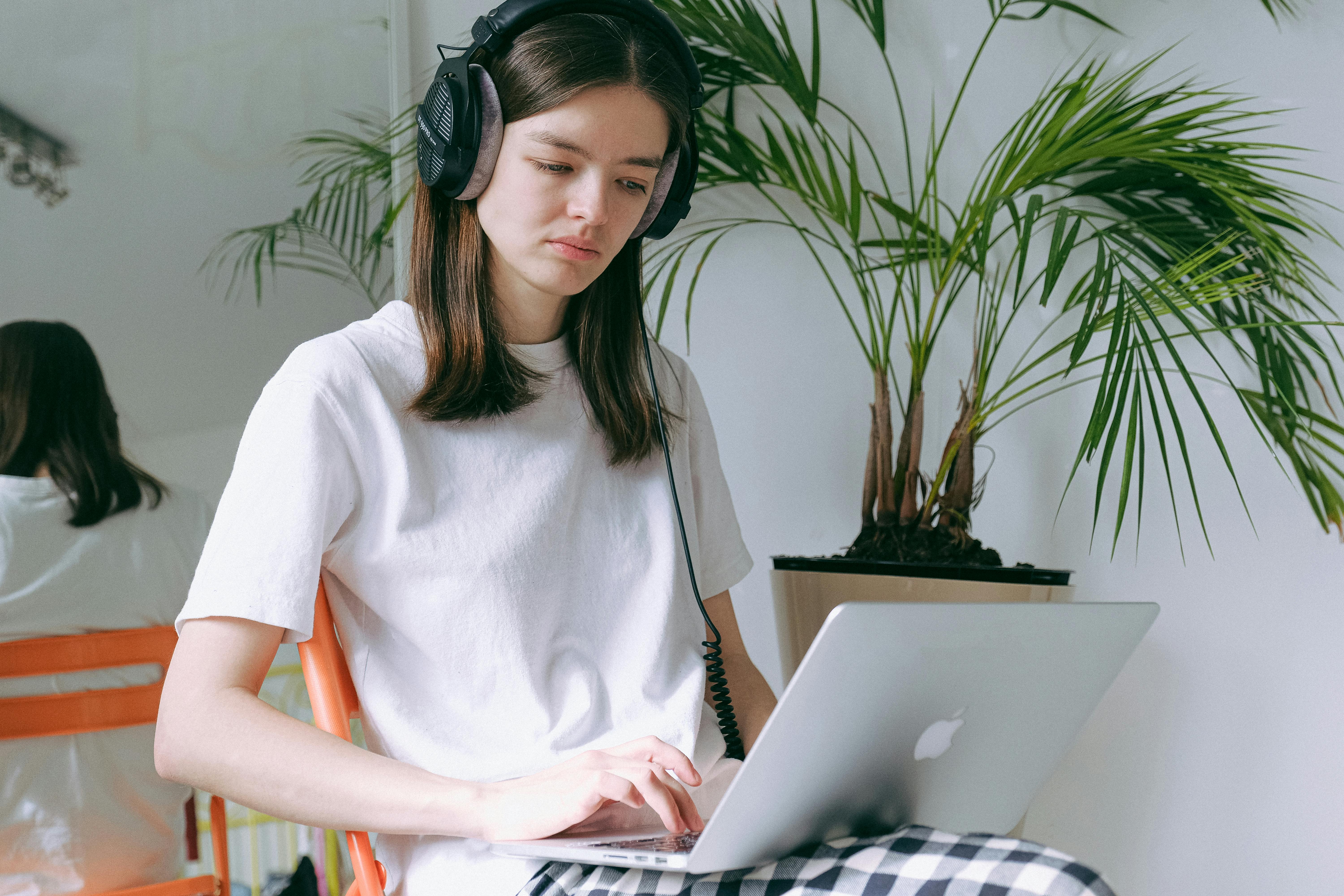
Before anything else, make your practice look like the test.
Use a laptop or desktop, not a phone or tablet. The test is on a desktop computer with a mouse and keyboard. Practising on a phone trains nothing useful.
Use headphones for every Listening practice. At the centre, audio comes through headphones, not a room speaker. Practise with the same.
Have a visible countdown. Phone timer propped against the screen, or a timer tab. The point is to feel the clock, which is exactly what the test does to you.
Keep paper and a pen beside you. You are given rough paper at the centre, and you should be in the habit of using it.
Turn off spellcheck and autocorrect. This one matters more than people think. There is no spellcheck in the IELTS Writing section. If you practise with it on, you will not find out which words you misspell until an examiner does.
Sit at a desk, not on a bed. You will be at a desk for nearly three hours on test day.
Listening: train for a format with no transfer time

The big change on computer: there is no ten minute transfer time at the end. On paper, candidates copied answers onto an answer sheet and that ten minutes was for the copying. On screen your answers are already recorded, so you get a much shorter review period.
If your practice assumed ten minutes of tidying up at the end, you have been giving yourself time you will not get.
How to practise it:
Do every Listening section with headphones, start to finish, never pausing. Not once. The temptation to pause and catch an answer is the single worst habit in Listening preparation, because the test never pauses.
Type your answers into a screen rather than writing them. Typing while listening is a small divided-attention cost you should meet before test day.
Practise reading ahead. The questions appear on screen and the answers come in order, so train yourself to be looking at the next question while the current answer is still being spoken.
Drill the recovery habit: when you miss one, let it go immediately and lock onto the next. Students lose three answers chasing one.
Reading: build scroll stamina and use the tools

Reading on screen is where most of the avoidable marks go.
Learn the on-screen tools, then actually use them. The computer test lets you highlight text and add notes directly on the passage. This replaces the pencil underlining you would have done on paper, and students who have never practised with it simply forget it is there, then read passages four times looking for something they could have marked once.
Train for scrolling. Practise locating a specific detail in a long passage on screen, under time pressure, until your eyes stop sliding. A good drill: open any long article, give yourself ninety seconds to find the answer to a specific factual question, repeat ten times.
Keep the twenty minute discipline. Three passages, sixty minutes, no extra time. Set a timer for each passage and move when it goes, even mid-question. Protecting Passage 3 matters more than finishing Passage 1 perfectly.
Watch your eye fatigue. Sixty minutes of screen reading tires people who are used to paper. Build up to full-length Reading sections rather than always doing single passages, so test day is not the longest you have ever read on a screen.
Writing: type it, time it, and count nothing by hand

If you chose the fully typed version, your Writing practice must be typed. Not handwritten and then typed up. Typed, from blank screen to finished essay, in sixty minutes.
What to practise:
Planning on screen. Many students plan beautifully on paper and freeze in a blank text box. Use your rough paper for the plan if that works better, which is allowed, but find out now which way suits you.
Typing without spellcheck. Make a list of every word you misspell across ten essays. It will be shorter than you fear and the same words will repeat.
Using the word count. On screen you get a live count, which is a genuine advantage over paper. Use it to check you are past 150 and 250, and to stop yourself writing a 400 word Task 2 that you have no time to check.
The twenty forty split. Twenty minutes on Task 1, forty on Task 2. Task 2 is worth twice as much. Practise with two separate timers so the habit is automatic.
Editing. This is the real benefit of typing. Leave three minutes at the end to reread and fix. On paper, corrections are messy. On screen they are free. Most candidates never use this and it is the easiest half mark in the test.
If you chose Writing on Paper, keep handwriting your essays under time, but do all your Listening and Reading practice on screen, because those sections are on screen either way.
Speaking: the one section that did not change

Speaking is still face to face with a human examiner. No screen, no recording device you interact with, no AI.
So practise it the way you always should have:
Speak out loud every day, even for ten minutes
Record yourself on a Part 2 card and listen back, which is uncomfortable the first three times and useful every time after
Practise with another person where you can, because a real listener asks real follow-up questions and Part 3 is built from follow-up questions
A four week screen practice plan

Assuming you are reasonably close to your target and have a test date coming.
Week 1: adapt. One full timed test on screen, to see what breaks. Then daily short sessions: one Listening section with headphones, one Reading passage on screen using the highlight tool, one typed Task 1.
Week 2: fix the specific leak. Your week 1 test showed you where the marks went. Spend this week there. If it was Reading timing, do nothing but timed passages. If it was Writing, do nothing but typed essays against the four criteria.
Week 3: build stamina. Two full timed tests this week, on screen, back to back sections with no break. This is the week your endurance stops being a variable.
Week 4: taper and rehearse. One full test early in the week, then short sharp sessions. Two days before the test, stop doing full tests. Review your spelling list, your essay structures, and your Part 2 practice. Sleep.
What to practise on
You need material that behaves like the real thing: timed on screen, audio that will not pause, a Reading passage in a scrolling window, a Writing box with a word count and no spellcheck.
Official familiarisation and practice tests come with your booking, and you should do all of them. They are the closest thing to the real interface and they are free.
Beyond that, you need volume, because one or two practice tests will not build pace. Prep IELTS Now exists for exactly this: full-length computer-delivered practice tests you can sit under real conditions, as many times as it takes for the rhythm of the test to stop feeling like an event.
Common questions
Can I practise computer-delivered IELTS for free? Yes. Official familiarisation and practice tests are available free, and you get access to practice material when you register for a test.
Is practising on paper useless now? Not useless for learning question types and building vocabulary. But every timed practice test should be on screen, because timing and navigation are what the screen changes.
Can I practise on my phone? For vocabulary and listening to English generally, yes. For full timed practice, no. The test is on a desktop with a mouse and keyboard.
How many practice tests should I do? At least four to six full timed tests before test day, more if your weakest skill is Listening or Reading, where pace matters most.
Should I use spellcheck when practising Writing? No. There is none in the test, and practising with it hides the exact errors you need to find.
Does practising on screen improve my score? It protects the score your English already deserves. Most of what screen practice fixes is navigation, timing and habit, not language.
Start tonight
Pick one thing and do it this evening: a full Listening section, on a laptop, with headphones, without pausing once.
If that felt harder than your paper practice, you have just found marks you were about to leave on the table.
Read next
Want your real band score, not just tips?
Take a full practice test in an interface identical to the real Computer-Delivered IELTS exam, free.
Sign Up Free →